Visualizzazione post con etichetta Babri Masjid. Mostra tutti i post

martedì 22 ottobre 2013

Babri Masjid

Babri, Mughal emperor, would never have imagined that his decision had dramatic repercussions in India after nearly 500 years.
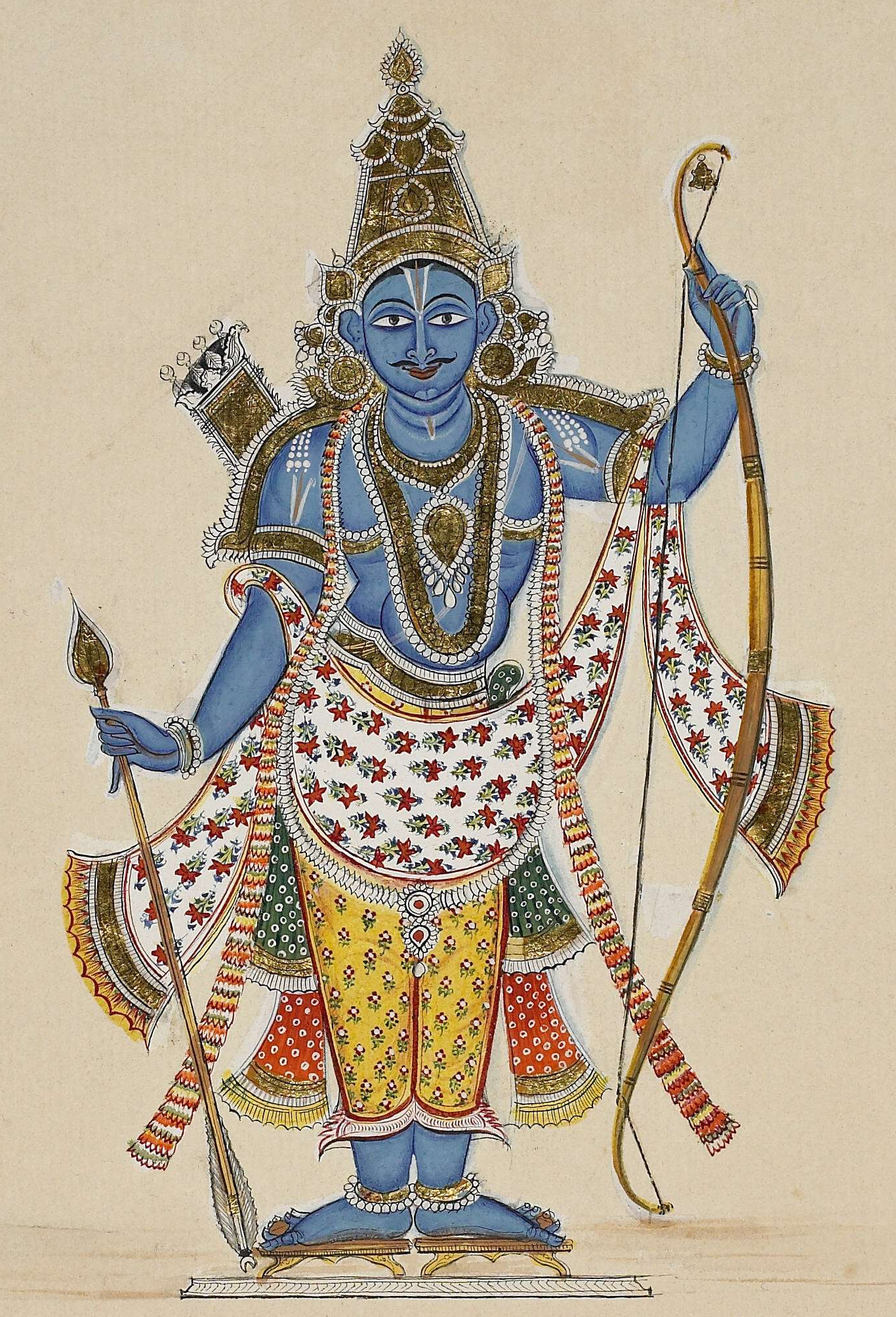
Rama, Vishnu's avatar
In 1528 in fact, the emperor built the Babri Masjid, Babri Mosque, in Ayodhya , mythical place where , according to tradition, was born Rama, incarnation of the Hindu god Vishnu and the protagonist of the epic Ramayana.
No problem arose until about sixty years ago, when Hindu extremist groups have begun to claim the land where the mosque had been built (more than 400 years before!), arguing that in that specific area was a temple dedicated to the Hindu Rama.
The disputes and controversy went on until 6 December 1992, when a mob of Hindu extremists literally razed the mosque and built on its ruins a makeshift temple in honor of Rama.
To the demolition violent clashes followed across India during which an unknown number of people died even though official sources talk of 2,000 deaths mostly Muslims.
Of course, the story did not end there, so it's been going on between high and low up to the judgment of the High Court of Allahabad in 2010 decided that the area where once stood the Babri Masjid had to be divided into three parts: one dedicated to the Hindu temple that is already there and the other two are intended respectively to the Hindu community and the Islamic one .
The ruling was happy with everyone and no one at the same time and periodically revived the problem mainly because of the political exploitation by parties that leverage on  "Hindu identity".
And so a few days ago (remember that the crucial national elections of 2014 are approaching), the police arrested more than 1,200 extremists who wanted  participate in the city of Ayodhya in an unauthorized demonstration called by the Vishwa Hindu Parishad, an Indian nationalist group.


To know more


Babri Masjid

Il dio Rama
Babri, imperatore Moghul, non si sarebbe mai immaginato che una sua decisione avrebbe avuto drammatiche ripercussioni in India dopo quasi 500 anni.
Nel 1528 infatti l’imperatore costruì la Babri Masjid, la Moschea Babri anella città di Ayodhya, mitico luogo dove la tradizione vuole sia nato Rama, dio hindu avatara di Vishnu e protagonista del poema epico Ramayana.
Nessun problema è sorto fino a circa una sessantina di anni fa, quando gruppi estremistici hindu hanno cominciato a rivendicare il suolo dove quella moschea era stata costruita (più di 400 anni prima!), sostenendo che in quella precisa area  sorgeva un tempio hindu dedicato a Rama.
Le diatribe e le polemiche sono andate avanti fino al 6 dicembre 1992 quando una folla di estremisti hindu letteralmente rase al suolo la moschea e costruì sulle sue macerie un improvvisato tempio in onore di Rama.
Alla demolizione seguirono violentissimi scontri in tutta l’India durante i quali morirono un numero imprecisato di persone anche se le fonti ufficiali parlano di 2.000 morti per lo più musulmani.
Ovviamente la vicenda non è finita lì, anzi è andata avanti tra alti e bassi fino ad arrivare alla sentenza dell’Alta Corte di Allahabad che nel 2010, salomonicamente, decise che l’area dove un tempo sorgeva la Babri Masjid doveva essere suddivise in tre parti: una destinata al tempietto hindu che già vi sorge e le altre due destinate rispettivamente alla comunità hindu e a quella islamica.
La sentenza ha accontentato tutti e nessuno al tempo stesso e periodicamente il problema rinasce soprattutto a causa delle strumentalizzazioni politiche da parte di partiti che fanno leva sull’ ”identità hindu”.
E così nei giorni scorsi (ricordo che si stanno avvicinando le cruciali elezioni politiche nazionale del 2014) la polizia ha arrestato più di 1200 estremisti  che volevano partecipare nella città di Ayodhya ad una manifestazione non autorizzata indetta dal Vishwa Hindu Parishad, un gruppo nazionalista indiano.


Per saperne di più